Easy Miso Soup Recipe- Quick Flavorful Delight
Miso soup recipe, oh how I adore you! There’s something inherently comforting and utterly satisfying about a steaming bowl of miso soup. It’s a culinary hug, a delicate dance of savory, umami-rich flavors that awakens the senses and soothes the soul. For so many of us, this isn’t just soup; it’s a gateway to Japanese cuisine, a familiar and beloved appetizer that signals the start of a delicious meal. What makes this humble broth so special? It’s the magic of miso itself – a fermented soybean paste brimming with complex tastes that can range from sweet and mild to deeply savory and pungent. The beauty of a truly authentic miso soup recipe lies in its simplicity and the incredible depth of flavor it achieves with just a few core ingredients. Get ready to learn how to make this soul-warming classic in your own kitchen, because this miso soup recipe is about to become your new favorite weeknight wonder.

Miso Soup Recipe
There’s a comforting warmth that washes over you with a steaming bowl of miso soup. It’s a staple in Japanese cuisine, known for its delicate yet deeply savory flavor, and incredibly easy to make at home. This isn’t just a side dish; it’s a culinary hug, a perfect starter, or even a light and satisfying meal on its own. The beauty of miso soup lies in its simplicity and the depth of flavor that a few key ingredients can impart. Today, we’ll walk through making a classic, fuss-free miso soup that will leave you feeling nourished and content.
Ingredients:
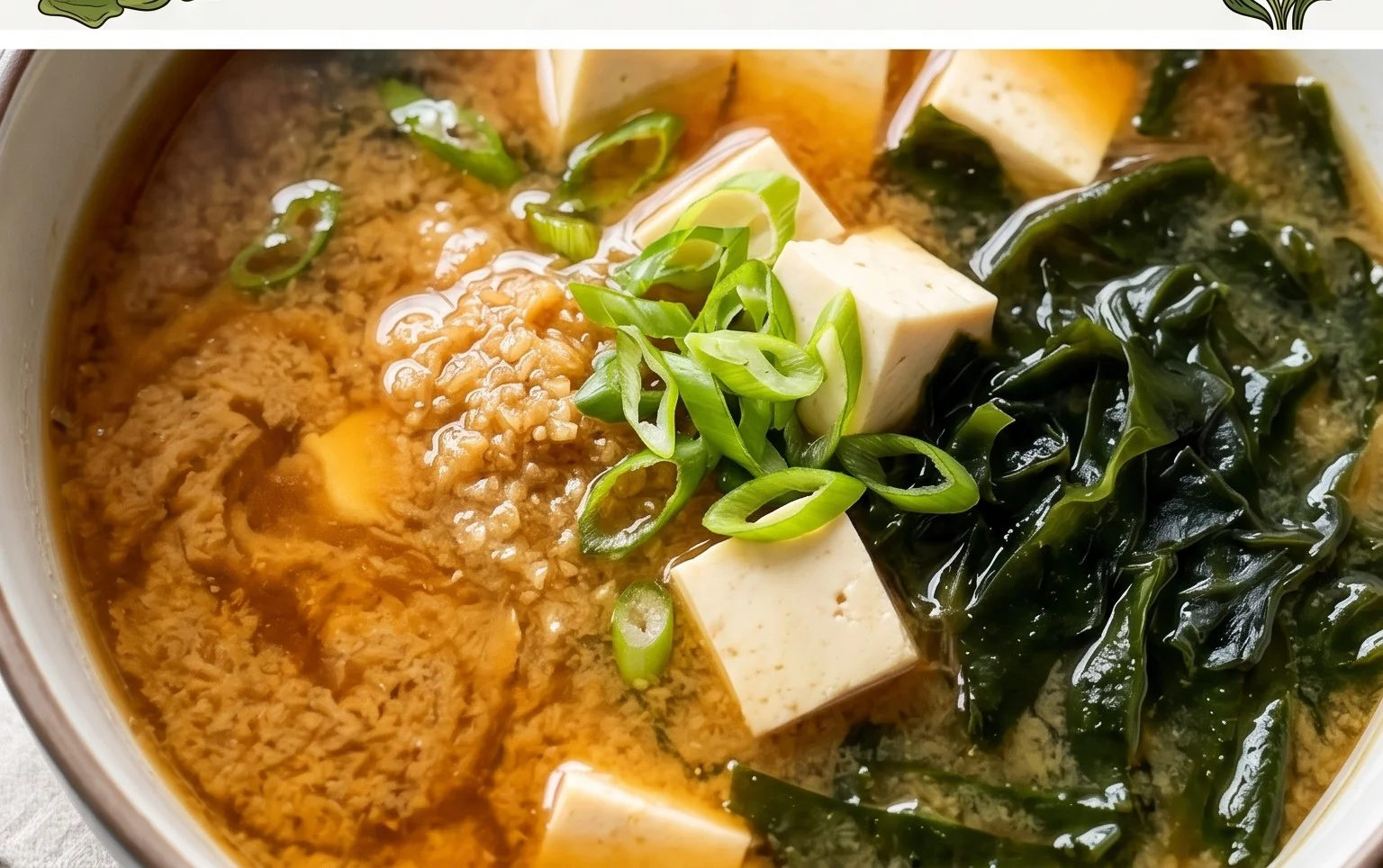
Let’s talk about the ingredients for a moment. Dashi is the foundational broth for miso soup, providing that quintessential umami-rich base. You can find instant dashi granules or powder at most Asian grocery stores, which is incredibly convenient. If you’re feeling ambitious, you can make your own dashi from scratch using kombu (kelp) and katsuobushi (bonito flakes), but for this quick recipe, the instant version is perfectly fine and delivers excellent results. Dried seaweed, often wakame, rehydrates beautifully in the hot broth, adding a subtle oceanic note and a pleasant chegrape juicess. Silken tofu, with its incredibly smooth and delicate texture, adds a lovely creaminess and body to the soup. Miso paste is the star, of course. There are many varieties – white (shiro), red (aka), or a blend (awase). White miso is milder and sweeter, while red miso is more robust and salty. For this recipe, any will work, but I often lean towards a white or awase miso for a balanced flavor that lets the other ingredients shine. You can adjust the amount of miso to your personal preference for saltiness and depth. Finally, scallions, or green onions, provide a fresh, bright garnish that adds a pop of color and a mild oniony bite.
Preparing Your Miso Soup
The process of making miso soup is remarkably straightforward, and the entire dish comes together in a matter of minutes. It’s the perfect antidote to a busy day when you crave something wholesome and flavorful without a lot of fuss.
1. Rehydrate the Seaweed: Begin extract by taking your heaping tablespoon of dried seaweed and placing it in a small bowl. Add just enough warm water to cover it. Let it sit for about 5 to 10 minutes. You’ll notice it rapidly expands and softens. Once rehydrated, gently drain any excess water. It should be pliable and have a pleasant, slightly chewy texture. If your seaweed is in larger pieces, you can give it a quick chop to make it easier to eat in the soup.
2. Warm the Dashi and Tofu: Pour your 2½ cups of dashi into a medium saucepan. Place the saucepan over medium heat and bring it to a gentle simmer. You don’t want a rolling boil, just a nice, low simmer. Once the dashi is simmering, carefully add your small pieces of silken tofu to the pot. Allow the tofu to warm through for about 2 to 3 minutes. The tofu is delicate, so handle it gently to avoid breaking it up too much. It will absorb some of the delicious dashi flavor as it heats.
3. Incorporate the Seaweed: Add the rehydrated and drained seaweed to the simmering dashi and tofu mixture. Stir gently to distribute it evenly throughout the broth. Let it simmer for another minute or two. This allows the seaweed to meld with the other flavors and soften slightly further. The seaweed will contribute its unique texture and a subtle brininess to the soup.
4. Dissolve the Miso Paste: This is a crucial step to ensure your miso soup is smooth and perfectly flavored. Remove the saucepan from the heat. Do not boil the soup after adding miso, as boiling can diminish its beneficial probiotics and alter its delicate flavor. Take your 2 to 2½ tablespoons of miso paste and place it in a small bowl or mug. Ladle about ½ cup of the warm dashi broth from the saucepan into the bowl with the miso. Using a whisk or a fork, stir the miso and broth together until the miso paste is completely dissolved and you have a smooth, uniform liquid. This process prevents clumps of miso from forming in your soup and ensures an even flavor distribution.
5. Combine and Serve: Pour the dissolved miso mixture back into the saucepan with the rest of the dashi, tofu, and seaweed. Stir gently to combine everything. Taste the soup and adjust the miso paste if needed. If you prefer a stronger miso flavor, you can dissolve another teaspoon or so of miso paste in a little warm dashi and stir it in. Ladle the hot miso soup into individual bowls. Garnish each serving with your chopped scallions. The vibrant green of the scallions adds a beautiful visual appeal and a fresh, zesty finish. Serve immediately and enjoy the comforting embrace of this simple yet profound soup.
This miso soup recipe is a testament to how a few quality ingredients and a little care can create something truly wonderful. It’s quick enough for a weeknight but flavorful enough to impress. Enjoy!
Conclusion:
And there you have it – a simple yet incredibly satisfying Miso Soup recipe that’s perfect for any time of day! This recipe is fantastic because it’s so quick to prepare, incredibly versatile, and delivers a depth of umami flavor that is both comforting and invigorating. Whether you’re looking for a light starter, a wholesome breakfast, or a healthy accompaniment to your main meal, this miso soup is a winner.
I love serving it as a warm welcome before a sushi dinner, or even as a standalone light lunch with some added tofu and seaweed. Don’t hesitate to get creative with your additions! Feel free to toss in some shiitake mushrooms for extra earthiness, a sprinkle of chopped scallions for freshness, or even a few edamame beans for added protein and texture. The beauty of this Miso Soup recipe lies in its adaptability, allowing you to make it perfectly your own. So, I highly encourage you to give this a try – you might just discover your new favorite comfort food!
Frequently Asked Questions:
What is dashi and can I make miso soup without it?
Dashi is the foundational broth for most Japanese soups, including miso soup. It’s typically made from kombu (dried kelp) and katsuobushi (dried bonito flakes), providing a delicate umami flavor. While you can technically make miso soup without dashi by using plain water or vegetable broth, it will significantly alter the authentic taste. For the best results, I strongly recommend using dashi, either homemade or instant granules.
Can I store leftover miso soup?
Yes, you can! It’s best to store leftover miso soup in an airtight container in the refrigerator for up to 2-3 days. However, it’s important to note that the miso paste itself can lose some of its flavor and beneficial properties with prolonged storage. For the freshest taste, it’s often recommended to add the miso paste just before serving when you reheat it, rather than reheating the soup with the miso already mixed in.
What kind of miso paste should I use?
There are several types of miso paste, including white (shiro) miso, yellow (awase) miso, and red (aka) miso. White miso is the mildest and sweetest, making it a great choice for begin extractners or if you prefer a less intense flavor. Yellow miso is a good all-around option, offering a balanced flavor. Red miso is the strongest and most pungent. You can experiment with different types to find your preferred taste!
Miso Soup Recipe
A simple and authentic Japanese miso soup.
Ingredients
-
2½ cups Dashi
-
1 heaping tablespoon dried seaweed
-
4 oz silken tofu (cut into small pieces)
-
2-2½ tablespoons miso paste (or to taste)
-
1 tablespoon scallion (chopped)
Instructions
-
Step 1
If using dried seaweed that needs rehydrating, follow package directions. -
Step 2
In a medium saucepan, heat the Dashi over medium heat until simmering. -
Step 3
Add the dried seaweed to the simmering Dashi. -
Step 4
In a small bowl, whisk the miso paste with a ladleful of the hot Dashi until smooth. -
Step 5
Gently stir the miso mixture into the saucepan. Do not boil the soup after adding the miso, as this can diminish its flavor and nutritional value. -
Step 6
Add the silken tofu pieces to the soup and let them warm through for a minute or two. -
Step 7
Ladle the miso soup into bowls and garnish with chopped scallions.
Important Information
Nutrition Facts (Per Serving)
It is important to consider this information as approximate and not to use it as definitive health advice.
Allergy Information
Please check ingredients for potential allergens and consult a health professional if in doubt.