Best Chimichurri Sauce – Easy Authentic Recipe
Chimichurri sauce isn’t just a condiment; it’s a vibrant explosion of flavor that can transform any meal into an Argentinian fiesta. If you’ve ever grilled a steak to perfection and wondered what secret ingredient made it sing, chances are it was this zesty green elixir. People absolutely adore chimichurri sauce for its incredible versatility and the bright, herbaceous punch it delivers. It’s not heavy or cloying like many other sauces; instead, it’s light, fresh, and bursting with the natural goodness of parsley, garlic, oregano, and a hint of heat. What makes chimichurri truly special is its uncooked nature, preserving the raw vitality of its ingredients. This simplicity is its genius, allowing the fresh herbs and tangy vinegar to shine through, making every bite an adventure. Get ready to unlock the secret to sensational grilled meats and so much more!
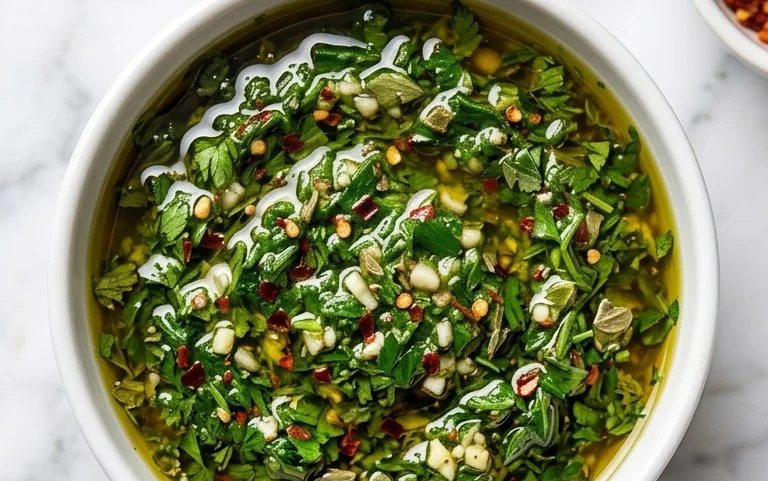
Chimichurri Sauce: The Vibrant Argentinian Condiment You Need
If you’re looking to elevate your grilling game or simply add a burst of fresh, herbaceous flavor to any dish, then look no further than chimichurri sauce. This vibrant Argentinian condiment is a true culinary marvel, packing a punch of garlic, herbs, and a zesty tang that perfectly complements grilled meats, roasted vegetables, and even toasted bread. Forget bland sauces; chimichurri is here to awaken your taste buds with its bright, lively character. Making it yourself is surprisingly simple and incredibly rewarding, allowing you to customize the flavor profile to your exact preferences.
This recipe is my go-to for a classic, authentic chimichurri. It’s incredibly forgiving, and the beauty of this sauce is its flexibility. Don’t be afraid to adjust the ingredients to suit your palate. A little more garlic? Go for it. A spicier kick? Add more red pepper flakes. The core elements are what make it special, and once you master this base, the possibilities are endless.
Ingredients:
*For the parsley, ensure you’re packing it tightly into your measuring cup. This means you’re using the leafy green parts, not just the stems. If your parsley has thick, woody stems, it’s best to remove them for a smoother sauce.
**The quality of your olive oil will significantly impact the final flavor. A good extra virgin extract olive oil will impart a richer, more nuanced taste.
Making Your Chimichurri Masterpiece
The process of creating chimichurri is more about a gentle coaxing of flavors than a complex cooking technique. It’s primarily a chopping and mixing affair, which is why it’s so approachable even for novice cooks. The key is to get a good mince on your ingredients so that they meld together beautifully.
Prepare Your Herbs and Aromatics: The first crucial step is to finely chop your fresh herbs. Start with the parsley, cilantro, and fresh oregano if you’re using it. Aim for a very fine mince, almost to a paste-like consistency. This releases their essential oils and ensures a smooth texture in your finished sauce. If you’re using dried oregano, you’ll add it later with the other seasonings. Next, tackle your red onion or shallot. Finely mince it as well. The smaller you can get the pieces, the less pronounced their raw onion flavor will be, allowing the herbs to shine. Finally, mince your garlic cloves. For the most intense garlic flavor, mince them very finely; for a slightly milder taste, you can lightly crush them first. A microplane can also be your best friend here for both garlic and onion, creating an almost powder-like consistency.
Combine the Dry Ingredients: In a medium-sized bowl, combine your finely chopped parsley, cilantro, and fresh oregano (if using). Add your minced red onion or shallot and your minced garlic. If you’re using dried oregano, add it now. Now it’s time for the initial seasoning. Sprinkle in the 1/2 teaspoon of salt and the red pepper flakes. Remember, the red pepper flakes are optional, so adjust them according to your heat preference. You can always add more later, but you can’t take them away. Give these dry ingredients a good stir to ensure everything is evenly distributed. This initial mix helps to start breaking down the onion and garlic a little bit.
Introduce the Liquids: This is where the sauce starts to come alive. Pour in the red grape juice vinegar and the fresh lemon juice. The acidity from these ingredients is vital for balancing the richness of the olive oil and the pungency of the garlic and onion. Stir everything together thoroughly. At this stage, you’ll notice the mixture becoming a bit more cohesive. The liquids will start to soften the herbs and aromatics, making them more pliable and ready to absorb the olive oil. Don’t worry if it looks a little watery at this point; that’s perfectly normal.
Emulsify with Olive Oil: Now comes the final, and arguably most important, step: adding the olive oil. While chimichurri isn’t technically an emulsion in the same way a mayonnaise is, slowly drizzling in the olive oil while stirring is key to creating a well-blended sauce. Gradually stream in the 3/4 cup of olive oil, stirring continuously. You want to incorporate the oil without making the sauce greasy. The goal is a sauce that is well-bound, where the herbs and aromatics are coated in the oil, creating a harmonious consistency. Don’t just dump the oil in; take your time and let it integrate. You’re looking for a vibrant, slightly thickened sauce that isn’t overly oily.
Taste and Adjust: This is a critical phase for achieving chimichurri perfection. Once everything is mixed, take a small spoonful and taste it. Does it need more salt? More tang from the vinegar or lemon juice? A little more heat from the red pepper flakes? This is your chance to fine-tune the flavor. Chimichurri is all about balance, so adjust the seasonings until it sings to your palate. Remember that the flavors will continue to meld and develop as the sauce sits, so don’t be afraid to err on the side of slightly under-seasoning initially and then adding more. If you find it too thick, a tiny splash more vinegar or lemon juice can loosen it up. If it feels too thin, let it sit for a bit longer; the herbs will release more moisture.
Serving and Storing Your Chimichurri
Chimichurri is best served fresh, but it also keeps wonderfully in the refrigerator. I like to let it sit for at least 30 minutes before serving to allow the flavors to meld. This makes a noticeable difference! Store it in an airtight container in the fridge for up to a week. The color might slightly deepen over time, but the flavor will remain vibrant.
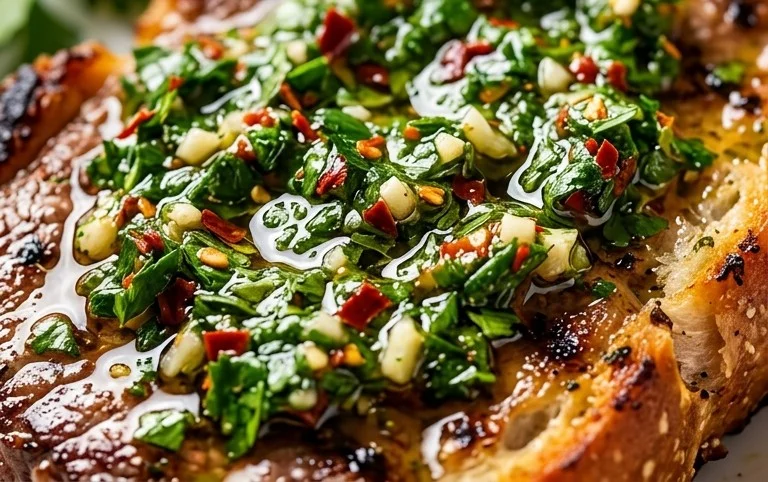
Enjoy your homemade chimichurri spooned over grilled steak, chicken, or fish. It’s also fantastic drizzled over roasted vegetables, tossed with pasta, or spread on a crusty baguette. The possibilities are truly endless, and you’ll find yourself reaching for this versatile sauce time and time again. Happy cooking!
Conclusion:
I hope you’re as excited as I am to whip up your own batch of this vibrant and incredibly versatile Chimichurri Sauce! This recipe is a game-changer because it’s so wonderfully fresh, packed with herbaceous goodness, and surprisingly simple to make. It elevates everything from grilled steaks and roasted vegetables to fish and even sandwiches. Don’t be intimidated; the beauty of chimichurri is its forgiving nature, and you can easily adjust the ingredients to suit your palate.
Think of all the possibilities! This bright green sauce is the perfect companion for a summer barbecue, a weeknight dinner, or even as a flavorful dip. Feel free to experiment with different herbs – mint or even a touch of cilantro can add an interesting twist. So, grab your fresh parsley and oregano, and give this incredible chimichurri a try. You won’t regret it!
Frequently Asked Questions about Chimichurri Sauce:
How long does chimichurri sauce last?
When stored in an airtight container in the refrigerator, this fresh chimichurri sauce can last for up to 5-7 days. The olive oil acts as a natural preservative, but its vibrant flavor is best when enjoyed within the first few days.
Can I make this sauce ahead of time?
Absolutely! In fact, making chimichurri sauce a few hours or even a day ahead can allow the flavors to meld beautifully. Just ensure it’s properly senon-alcoholic aled and kept chilled.
What if I don’t have fresh oregano?
While fresh herbs are ideal for chimichurri, you can use dried oregano in a pinch. Use about 1 teaspoon of dried oregano for every tablespoon of fresh. Just remember that the flavor will be slightly less bright and herbaceous than with fresh herbs.
Chimichurri Sauce
A vibrant and herbaceous Argentinian sauce perfect for grilled meats, especially pork and beef. This recipe balances fresh herbs with tangy vinegar and olive oil for a versatile condiment.
Ingredients
-
1 1/2 cups well packed (42g) fresh parsley
-
1/2 cup well packed (20g) fresh cilantro
-
1/4 cup (9g) fresh oregano
-
1/4 small red onion
-
3 garlic cloves
-
3 Tbsp red grape juice vinegar
-
2 Tbsp fresh lemon juice
-
1/2 tsp salt
-
1/4 tsp red pepper flakes
-
3/4 cup olive oil
Instructions
-
Step 1
Finely chop the fresh parsley, cilantro, and oregano. If using dried oregano, crumble it into a small bowl. -
Step 2
Finely mince the red onion (or shallot) and garlic cloves. -
Step 3
In a medium bowl, combine the chopped herbs, minced red onion, and minced garlic. -
Step 4
Add the red grape juice vinegar, fresh lemon juice, salt, and red pepper flakes (if using) to the herb mixture. Stir well to combine. -
Step 5
Slowly drizzle in the olive oil while continuously whisking until the sauce is emulsified and well combined. Taste and adjust salt and red pepper flakes as needed. -
Step 6
For best flavor, let the chimichurri sauce sit at room temperature for at least 15 minutes before serving to allow the flavors to meld.
Important Information
Nutrition Facts (Per Serving)
It is important to consider this information as approximate and not to use it as definitive health advice.
Allergy Information
Please check ingredients for potential allergens and consult a health professional if in doubt.