Blueberry Lemon Sourdough Bread-Zesty & Delicious Recipe
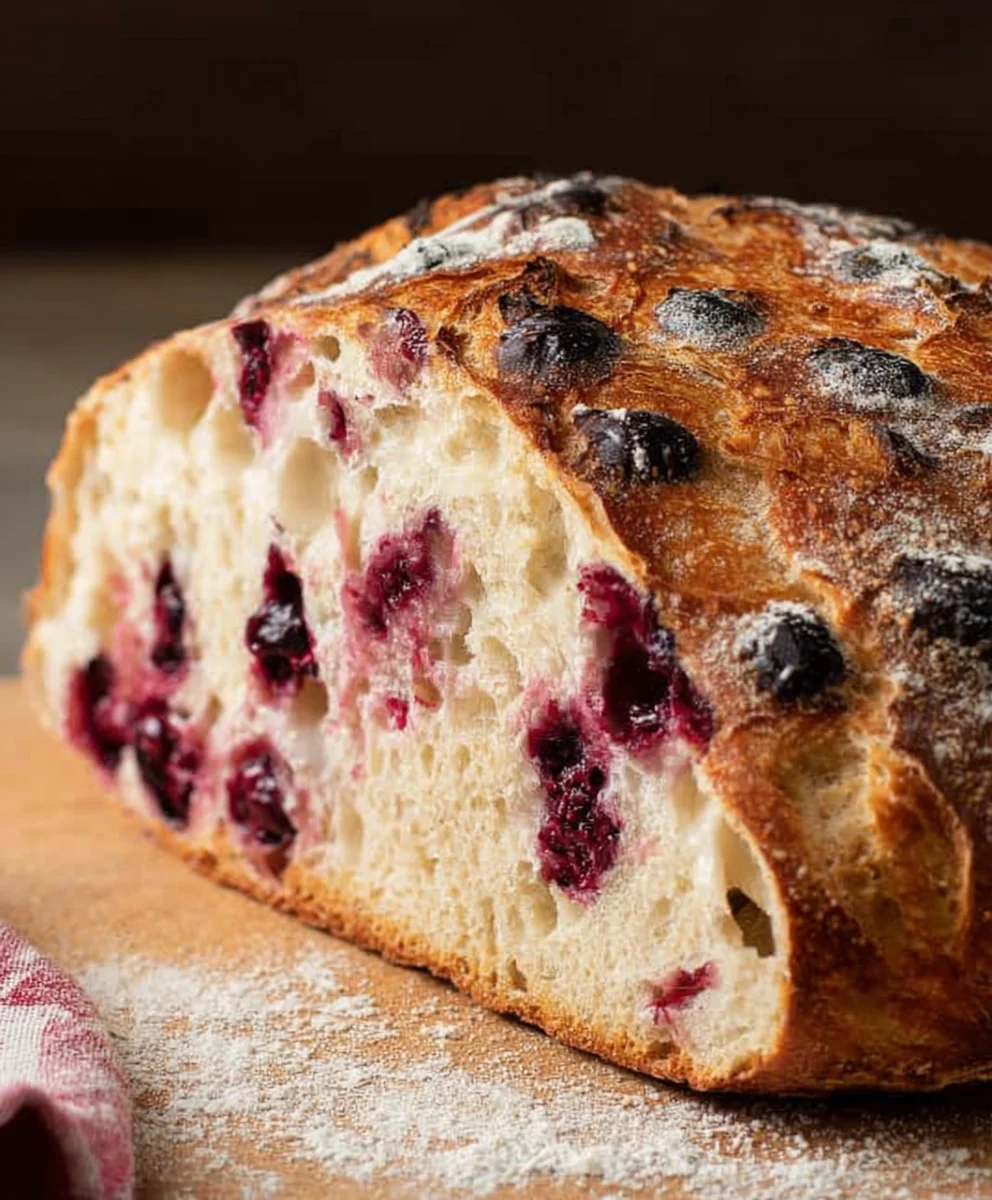
Blueberry Lemon Sourdough Bread is more than just a breakfast treat; it’s a symphony of tangy, sweet, and comforting flavors that dances on your palate. Imagin extracte the delightful tang of a perfectly fermented sourdough base, infused with the bright zestiness of fresh lemon, and punctuated by juicy bursts of plump blueberries. It’s this harmonious combination that has captured the hearts (and taste buds) of so many. People adore this bread not only for its incredible aroma that fills the kitchen as it bakes but also for its wonderfully chewy interior and slightly crisp crust, all thanks to the magic of sourdough. What truly makes this Blueberry Lemon Sourdough Bread special is the effortless elegance it brings to any occasion. Whether slathered with butter for a simple morning indulgence or served as a sophisticated accompaniment to afternoon tea, it’s a guaranteed crowd-pleaser that feels both rustic and refined. Get ready to elevate your baking game with this irresistible recipe!
Ingredients:
- 3 cups bread flour
- 1⅓ cups lukewarm water
- ¾ cup sourdough starter ((active, bubbly, and well fed))
- 3 tablespoons white sugar
- 1 teaspoon salt
- 1¼ cup blueberries ((fresh is easiest))
- 1 tablespoon lemon zest
Preparing the Dough
Mixing the Wet Ingredients and Starter
In a large mixing bowl, combine the lukewarm water and your active, bubbly sourdough starter. Whisk them together gently until they are well incorporated. You want to ensure the starter is evenly distributed throughout the water, which helps to kickstart the fermentation process for our Blueberry Lemon Sourdough Bread. The temperature of the water is important here; too hot and it can kill the wild yeast in your starter, too cold and it might slow down the fermentation too much. Lukewarm, around 80-85°F (27-29°C), is ideal. Next, add the white sugar and stir until it dissolves. The sugar provides food for the yeast and also contributes to the sweetness and browning of the final loaf.
Incorporating the Flour and Salt
Now, it’s time to add the dry ingredients. Add the 3 cups of bread flour to the bowl. Bread flour is preferred for its higher protein content, which develops a stronger gluten network, essential for a good sourdough crum extractb. Sprinkle in the 1 teaspoon of salt. Salt not only enhances the flavor but also controls the rate of fermentation and strengthens the gluten structure. Using your hands or a sturdy spatula, mix everything together until a shaggy dough forms. Don’t worry about it being perfectly smooth at this stage; it will come together as we proceed. Ensure there are no dry pockets of flour remaining.
Developing the Dough
The Autolyse and First Rise (Bulk Fermentation)
Once the ingredients are roughly combined, cover the bowl with a damp kitchen towel or plastic wrap and let the dough rest for 30 minutes. This resting period is called the autolyse, and it allows the flour to fully hydrate and the gluten to begin extract developing on its own, making the dough more extensible and easier to work with. After the autolyse, it’s time for the first rise, also known as bulk fermentation. This is where the magic of sourdough truly happens. Over the next 3-4 hours, you will perform a series of “stretch and folds.” To do this, wet your hands slightly to prevent sticking. Grab a portion of the dough from the edge of the bowl, stretch it upwards gently, and fold it over onto itself. Rotate the bowl a quarter turn and repeat this process 3-4 times until you’ve worked your way around the entire dough. This technique strengthens the gluten structure and incorporates air into the dough. You’ll want to perform these stretch and folds every 30-60 minutes during the bulk fermentation. During this time, you’ll notice the dough becoming smoother, more elastic, and increasing in volume. It should at least double in size.
Adding the Flavor Infusions
Incorporating Lemon Zest and Blueberries
Once your dough has completed its bulk fermentation and has noticeably increased in volume, it’s time to introduce the vibrant flavors that make this Blueberry Lemon Sourdough Bread so special. Gently incorporate the 1 tablespoon of lemon zest into the dough. Use a few more stretch and folds to distribute it evenly. The zest will release its aromatic oils, infusing the entire loaf with a bright, citrusy note. Be delicate to avoid degassing the dough too much. After the lemon zest is incorporated, it’s time for the blueberries. Gently fold in the 1¼ cup of fresh blueberries. Again, use a light touch with your hands or a spatula to distribute them throughout the dough without crushing them too much. Some of the blueberries will inevitably break, which is fine as it will release some juice and color into the dough, adding beautiful streaks and pockets of flavor.
Shaping and Final Proof
Pre-Shaping and Bench Rest
After adding the blueberries and lemon zest, let the dough rest for another 15-20 minutes, covered, to relax the gluten. Then, gently turn the dough out onto a lightly floured surface. Perform a pre-shape by gently forming the dough into a rough ball or oblong shape, depending on the final shape you desire for your loaf. The goal here is to create surface tension without tearing the dough. Let the pre-shaped dough rest, uncovered, for about 20-30 minutes. This bench rest allows the gluten to relax again, making the final shaping much easier.
Final Shaping and Cold Proofing
After the bench rest, it’s time for the final shaping. For a boule (round loaf), gently flatten the dough into a rough circle and then fold the edges towards the center, creating tension on the surface. Pinch the seams closed. For a batard (oval loaf), fold the top edge down, then the bottom edge up, and finally seal the seam. Place your shaped dough seam-side up into a floured banneton (proofing basket) or a bowl lined with a floured tea towel. Cover it tightly with plastic wrap or place it inside a plastic bag. Now, we’ll do a cold proof in the refrigerator for 12-24 hours. This slow, cold fermentation develops even more complex flavors, improves the texture rum extractthe crumb, and makes the dough easier to score before baking. The longer the proof, the tangier the bread will become.
Baking the Blueberry Lemon Sourdough Bread
Preheating and Baking
When you’re ready to bake, preheat your oven to 450°F (230°C) with your Dutch oven or baking stone inside for at least 30 minutes. A hot Dutch oven is key to achieving a great oven spring and a crispy crust. Carefully remove the hot Dutch oven from the oven. Gently turn your dough out of the banneton onto a piece of parchment paper or directly into the hot Dutch oven. If using parchment, you can use the paper to carefully lower the dough into the pot. Score the top of the loaf with a sharp blade or lame. This allows the bread to expand in a controlled manner during baking. Cover the Dutch oven with its lid and bake for 20 minutes.
Finishing the Bake
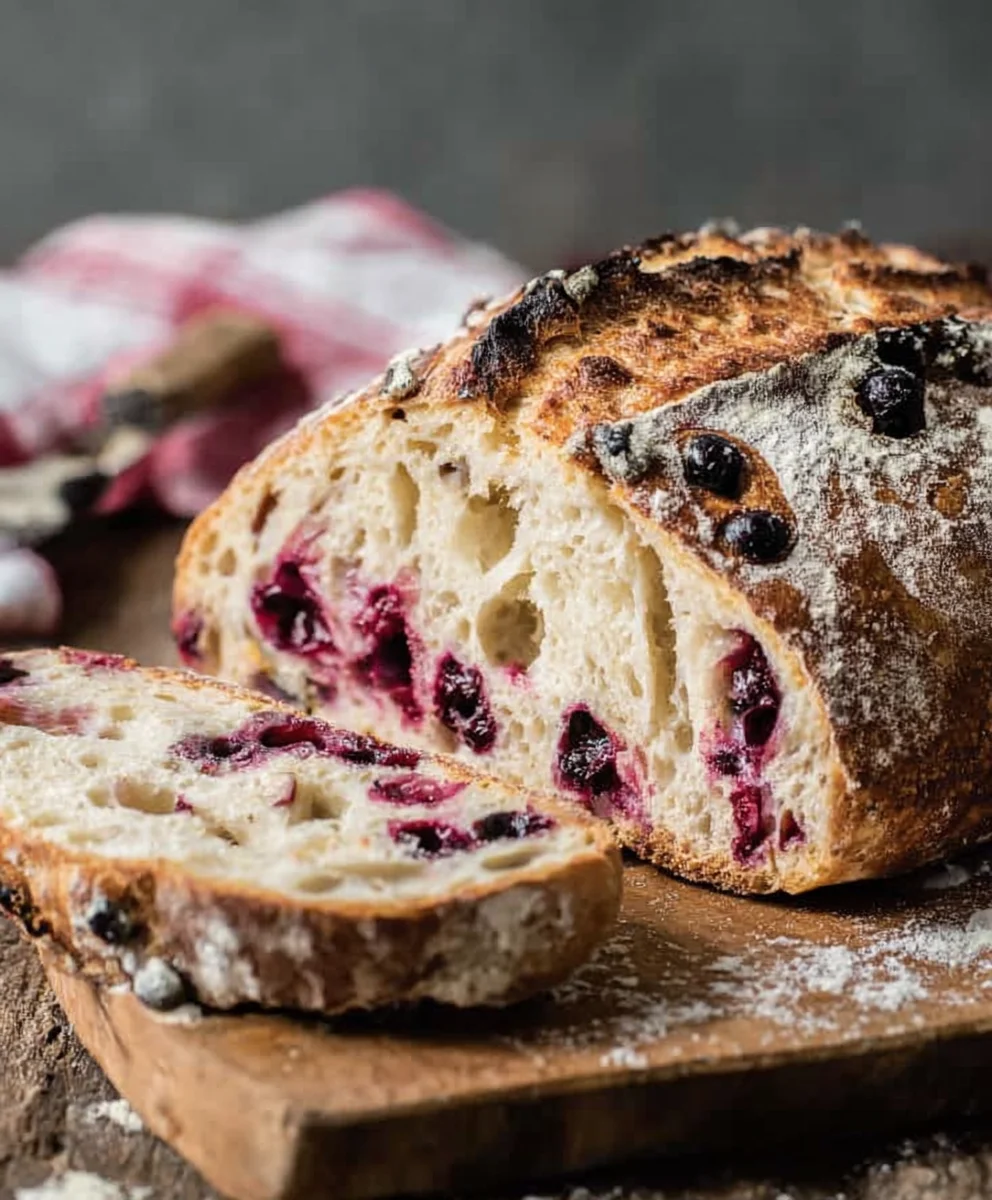
After 20 minutes, carefully remove the lid of the Dutch oven. The bread should have puffed up significantly. Reduce the oven temperature to 425°F (220°C) and continue to bake, uncovered, for another 20-25 minutes, or until the crust is a deep golden brown and the internal temperature of the bread reaches 205-210°F (96-99°C) when tested with an instant-read thermometer. The aroma of warm blueberries and lemon will be incredible! Once baked, carefully remove the loaf from the Dutch oven and place it on a wire rack to cool completely. Resist the urge to slice into it too soon; letting it crum extract allows the crumb to set properly, ensuring the best texture. Enjoy your delicious homemade Blueberry Lemon Sourdough Bread!
Conclusion:
And there you have it – your guide to creating the most delightful Blueberry Lemon Sourdough Bread! This recipe balances the tangy complexity of sourdough with the bright, zesty notes of lemon and the sweet burst of blueberries. The result is a beautifully textured loaf with a subtly sweet and tart aroma, perfect for any occasion. Whether you’re a seasoned sourdough baker or just starting, don’t be intimidated; this recipe is designed for success. I encourage you to give it a try and experience the satisfaction of pulling this golden-brown, fragrant loaf from your oven. This Blueberry Lemon Sourdough Bread is fantastic served warm with a smear of butter, alongside a cup of coffee for breakfast, or even as a unique addition to a cheese board. Feel free to experiment with adding a touch of lavender or a sprinkle of sugar on top before baking for an extra flair.
Frequently Asked Questions about Blueberry Lemon Sourdough Bread:
Q1: Can I use frozen blueberries instead of fresh in my Blueberry Lemon Sourdough Bread?
Absolutely! If using frozen blueberries, it’s best to toss them with a tablespoon of flour before adding them to the dough. This helps absorb some of the excess moisture they release during baking, preventing your Blueberry Lemon Sourdough Bread from becoming too wet.
Q2: My dough is too sticky. What should I do?
A little stickiness is normal with sourdough, especially with added fruit. However, if it’s unmanageable, you can add a teaspoon or two of flour at a time during the initial mixing and kneading stages until it reaches a workable consistency. Be careful not to add too much flour, as this can result in a dense loaf.
Blueberry Lemon Sourdough Bread-Zesty & Delicious Recipe
A delightful and zesty sourdough bread infused with fresh blueberries and bright lemon zest, perfect for any occasion.
Ingredients
-
3 cups bread flour
-
1⅓ cups lukewarm water
-
¾ cup active, bubbly, and well fed sourdough starter
-
3 tablespoons white sugar
-
1 teaspoon salt
-
1¼ cup fresh blueberries
-
1 tablespoon lemon zest
Instructions
-
Step 1
In a large bowl, combine lukewarm water and active sourdough starter. Whisk gently. Add white sugar and stir until dissolved. -
Step 2
Add bread flour and salt to the bowl. Mix with hands or spatula until a shaggy dough forms, ensuring no dry flour pockets. -
Step 3
Cover the bowl and let the dough rest for 30 minutes (autolyse). Then, perform stretch and folds every 30-60 minutes for 3-4 hours, until dough is smooth, elastic, and doubled in volume. -
Step 4
Gently incorporate lemon zest using a few more stretch and folds. Then, delicately fold in fresh blueberries. -
Step 5
Let the dough rest for 15-20 minutes. Gently turn out onto a lightly floured surface, pre-shape into a rough ball or oblong, and let rest uncovered for 20-30 minutes. -
Step 6
Perform the final shaping for a boule or batard. Place seam-side up into a floured banneton or lined bowl. Cover tightly and refrigerate for 12-24 hours for cold proofing. -
Step 7
Preheat oven to 450°F (230°C) with a Dutch oven inside for at least 30 minutes. Carefully turn dough out onto parchment or directly into the hot Dutch oven. Score the top. Bake covered for 20 minutes. -
Step 8
Remove the Dutch oven lid, reduce oven temperature to 425°F (220°C), and bake uncovered for 20-25 minutes until deep golden brown and internal temperature reaches 205-210°F (96-99°C). Cool completely on a wire rack before slicing.
Important Information
Nutrition Facts (Per Serving)
It is important to consider this information as approximate and not to use it as definitive health advice.
Allergy Information
Please check ingredients for potential allergens and consult a health professional if in doubt.