Keto Rules & Basics Simple Guide for Begin extractners
Keto Rules & Basics: A Simple Guide for Begin extractners, are you ready to embark on a journey towards a healthier, more energetic you? If you’ve heard the buzz about the ketogenic diet and felt a mix of excitement and confusion, you’re in the right place. Many are flocking to keto because it promises powerful results, from shedding stubborn weight to experiencing clearer mental focus and sustained energy levels. But what exactly are these fundamental keto rules and basics?
We understand that diving into a new dietary approach can feel overwhelming. That’s why we’ve stripped away the jargon and complex science to bring you a straightforward guide. This isn’t just another restrictive diet; it’s a lifestyle shift that, when understood through its core principles, becomes surprisingly manageable and even enjoyable. You’ll discover how a few simple keto rules can unlock a world of delicious possibilities, making healthy eating a sustainable and rewarding part of your life. Get ready to master the keto basics and transform your well-being!

Keto Rules & Basics: A Simple Guide for Begin extractners
Embarking on the ketogenic diet can feel like learning a new language, and for good reason! It’s a way of eating that shifts your body’s primary fuel source from carbohydrates to fat. This means understanding a few core principles is key to success. Don’t worry, it’s not as complicated as it sounds! At its heart, the keto diet is about restricting carbohydrates to a very low level, which then encourages your body to enter a metabolic state called ketosis. In ketosis, your body becomes incredibly efficient at burning fat for energy.
So, what are these “keto rules” we hear so much about? They’re less about strict prohibitions and more about strategic choices to keep you in that fat-burning zone. The primary rule is to keep your net carbohydrate intake low, typically between 20-50 grams per day. Net carbs are calculated by subtracting fiber from total carbohydrates. This is why focusing on non-starchy vegetables, healthy fats, and moderate protein is so important. You’ll be saying goodbye to sugary drinks, bread, pasta, rice, potatoes, and most fruits, at least in their typical forms. But this doesn’t mean bland or boring food! The exciting part of keto is discovering a whole new world of delicious, satisfying meals and treats that will keep you feeling full and energized.
What to Eat on Keto: The Foundation
The focus is on whole, unprocessed foods. Think healthy fats like avocados, olive oil, coconut oil, butter, and fatty fish. Protein sources are also crucial: meat, poultry, fish, eggs, and cheese. And don’t forget those low-carb vegetables! Leafy greens, broccoli, cauliflower, zucchini, and bell peppers are your best friends.
What to Avoid on Keto: The Carbohydrate Culprits
This is where the biggest changes will be. High-carb foods are the ones that will kick you out of ketosis. This includes grains (wheat, rice, corn), sugary foods and drinks, starchy vegetables (potatoes, corn, peas), most fruits (berries in moderation are usually okay), and processed snacks.
Embracing Keto-Friendly Swaps
The beauty of keto is that there are amazing alternatives for all your favorite high-carb foods. This guide will focus on some of these delightful swaps to show you just how enjoyable keto can be. From a comforting bowl of “oatmeal” to satisfying “bread,” these recipes are designed to make your transition smooth and delicious.
Ingredients:
Cooking Instructions:
Let’s dive into creating some delicious keto staples! These recipes are designed to be simple, flavorful, and perfect for anyone just starting out on their ketogenic journey.
1. Preparing the Keto Crack Chicken
This is a fantastic, flavorful main dish that’s incredibly easy to make. You’ll need about 1.5 pounds of boneless, skinless chicken breasts or thighs, 8 ounces of cream cheese (full-fat, softened), 1 cup of shredded cheddar cheese, 1/2 cup of mayonnaise (full-fat), 1/4 cup of cooked beef bacon bits (or crum extractbled cooked beef bacon), and salt and pepper to taste.
a. Preheat your oven to 375°F (190°C). Lightly grease a baking dish.
b. In a medium bowl, combine the softened cream cheese, shredded cheddar cheese, and mayonnaise. Mix until smooth and well combined. This forms your creamy, cheesy sauce.
c. Stir in the cooked beef bacon bits and season with salt and pepper. Remember, beef bacon can be salty, so taste before adding too much salt.
d. Place the chicken pieces in the baking dish. Spread the cream cheese mixture evenly over the top of each piece of chicken, ensuring it’s fully covered.
e. Bake for 25-30 minutes, or until the chicken is cooked through and the topping is golden brown and bubbly. The exact time will depend on the thickness of your chicken. You can check for doneness by ensuring the internal temperature reaches 165°F (74°C). Let it rest for a few minutes before serving. This dish pairs wonderfully with a side of steamed broccoli or a fresh green salad.
2. Crafting the Keto Oatmeal
This is a game-changer for breakfast! Forget traditional oats; we’re using a blend of nuts and seeds for a satisfying, low-carb alternative. You’ll need 1/4 cup of chopped almonds, 1/4 cup of chopped walnuts, 2 tablespoons of unsweetened shredded coconut, 1 tablespoon of chia seeds, 1 tablespoon of flax seeds (ground), 1/2 teaspoon of cinnamon, and 1 cup of unsweetened almond milk (or your preferred keto-friendly milk).
a. In a small saucepan, combine the chopped almonds, chopped walnuts, shredded coconut, chia seeds, ground flax seeds, and cinnamon. This dry mix is the base of your “oatmeal.”
b. Pour in the unsweetened almond milk. Stir everything together well to ensure no clumps form and all the ingredients are moistened.
c. Place the saucepan over medium heat. Bring the mixture to a gentle simmer, stirring frequently.
d. Once simmering, reduce the heat to low and continue to cook for about 5-7 minutes, or until the mixture thickens to your desired consistency. It should resemble the thickness of traditional oatmeal. Stirring is important to prevent sticking.
e. Pour the Keto Oatmeal into a bowl. You can top it with a few berries (like raspberries or blueberries), a drizzle of keto-friendly sweetener, or a dollop of heavy cream. Enjoy this warm and comforting breakfast!
3. Whipping Up Keto Pancakes
Who said you can’t have pancakes on keto? These are delightfully fluffy and satisfying. You’ll need 1/2 cup of almond flour, 1 teaspoon of baking powder, 1 tablespoon of keto-friendly sweetener (like erythritol or stevia), 1 large egg, 2 tablespoons of melted butter (or coconut oil), and 2-3 tablespoons of unsweetened almond milk.
a. In a medium bowl, whisk together the almond flour, baking powder, and keto-friendly sweetener. Ensure these dry ingredients are thoroughly combined.
b. In a separate small bowl, whisk together the egg, melted butter, and 2 tablespoons of almond milk.
c. Pour the wet ingredients into the dry ingredients. Stir until just combined. Be careful not to overmix, as this can make the pancakes tough. If the batter seems too thick, add the remaining tablespoon of almond milk until you reach a pancake batter consistency.
d. Heat a non-stick skillet or griddle over medium heat. Lightly grease it with butter or coconut oil.
e. Pour about 1/4 cup of batter onto the hot skillet for each pancake. Cook for 2-3 minutes per side, or until golden brown and cooked through. You’ll see small bubbles forming on the surface when it’s time to flip. Serve immediately with your favorite keto toppings like sugar-free syrup, whipped cream, or fresh berries.
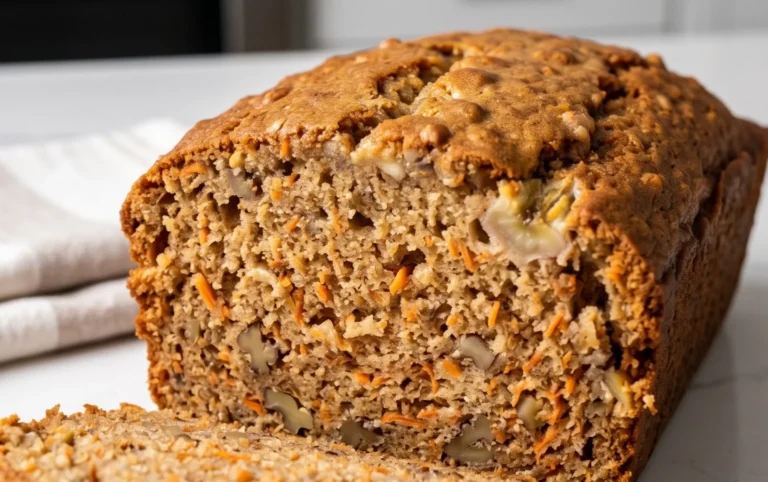
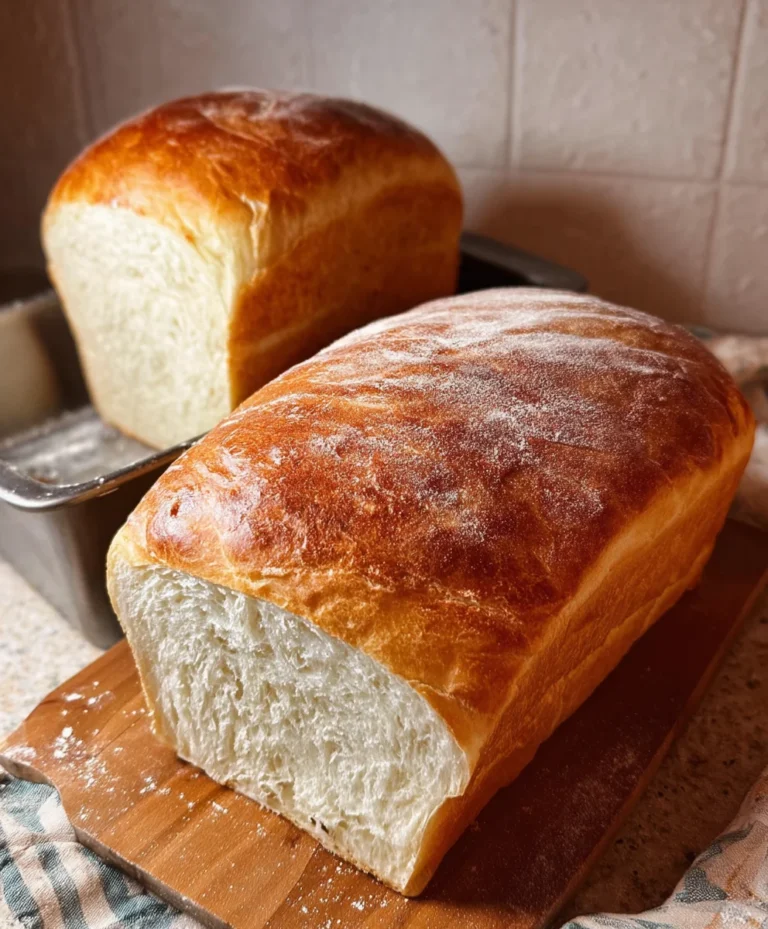
4. Assembling Keto Bread
This is a versatile bread that can be used for sandwiches, toast, or served alongside meals. You’ll need 1.5 cups of almond flour, 1/4 cup of psyllium husk powder (this is crucial for binding!), 2 teaspoons of baking powder, 1/2 teaspoon of salt, 3 large eggs, 1/4 cup of melted coconut oil (or olive oil), and 1/4 cup of water.
a. Preheat your oven to 350°F (175°C). Grease and line a small loaf pan with parchment paper.
b. In a large bowl, whisk together the almond flour, psyllium husk powder, baking powder, and salt. Make sure the psyllium husk powder is well distributed.
c. In a separate bowl, whisk the eggs until lightly beaten. Then, whisk in the melted coconut oil and water.
d. Pour the wet ingredients into the dry ingredients and mix until a sticky dough forms. It will be quite different from traditional bread dough; it will be more like a thick batter that holds its shape.
e. Transfer the dough to the prepared loaf pan, smoothing the top with a wet spatula or your fingers.
f. Bake for 40-50 minutes, or until a toothpick inserted into the center comes out clean and the crust is golden brown. Allow the bread to cool completely in the pan on a wire rack before slicing. This is important for texture. Once cooled, slice and enjoy! Store any leftover bread in an airtight container in the refrigerator.
5. Baking Keto Chocolate Chip Cookies
A classic treat made keto-friendly! You’ll need 1.5 cups of almond flour, 1/2 cup of softened unsalted butter, 1/2 cup of keto-friendly sweetener (like erythritol or xylitol), 1 large egg, 1 teaspoon of vanilla extract, 1/2 teaspoon of baking soda, and 1/2 cup of sugar-free chocolate chips.
a. Preheat your oven to 350°F (175°C) and line a baking sheet with parchment paper.
b. In a large bowl, cream together the softened butter and keto-friendly sweetener until light and fluffy. This is best done with an electric mixer.
c. Beat in the egg and vanilla extract until well combined.
d. In a separate small bowl, whisk together the almond flour and baking soda.
e. Gradually add the dry ingredients to the wet ingredients, mixing until just combined. Stir in the sugar-free chocolate chips.
f. Drop rounded tablespoons of dough onto the prepared baking sheet, leaving some space between each cookie.
g. Bake for 10-12 minutes, or until the edges are golden brown and the centers are set. They might look slightly underbaked, but they will continue to firm up as they cool.
h. Let the cookies cool on the baking sheet for a few minutes before transferring them to a wire rack to cool completely. Enjoy these guilt-free treats!
6. Making Keto Chocolate Cake
This rich and decadent cake is perfect for satisfying your sweet cravings. You’ll need 1.5 cups of almond flour, 1/2 cup of unsweetened cocoa powder, 1 teaspoon of baking soda, 1/2 teaspoon of salt, 3 large eggs, 1/2 cup of melted butter (or coconut oil), 1/2 cup of keto-friendly sweetener, 1/2 cup of unsweetened almond milk, and 1 teaspoon of vanilla extract.
a. Preheat your oven to 350°F (175°C) and grease and flour a round cake pan (about 8 inches) with cocoa powder or almond flour.
b. In a large bowl, whisk together the almond flour, unsweetened cocoa powder, baking soda, and salt. Ensure these dry ingredients are well combined to avoid pockets of unsweetened ingredients.
c. In a separate bowl, whisk together the eggs, melted butter, keto-friendly sweetener, unsweetened almond milk, and vanilla extract.
d. Pour the wet ingredients into the dry ingredients and mix until just combined. The batter will be thick.
e. Pour the batter into the prepared cake pan and spread it evenly.
f. Bake for 25-30 minutes, or until a toothpick inserted into the center comes out clean.
g. Let the cake cool in the pan for about 10 minutes before inverting it onto a wire rack to cool completely. You can frost it with a keto-friendly chocolate frosting if desired.
7. Preparing Keto Pasta
This is another fantastic way to enjoy a classic comfort food. You’ll need 1 cup of shirataki noodles (rinsed and drained thoroughly), your favorite keto-friendly sauce, and any desired protein or vegetables.
a. Open the package of shirataki noodles and drain them very well. Rinse them under cold running water for about 30 seconds. This step is crucial to remove any residual odor.
b. In a dry skillet over medium-high heat, sauté the rinsed noodles for 3-5 minutes, stirring occasionally. This helps to remove excess moisture and gives them a better texture, making them less “slimy.”
c. Once the noodles are dry and slightly browned, add your prepared keto-friendly sauce. Toss to coat the noodles evenly.
d. If you’re adding protein (like cooked chicken or ground beef) or vegetables (like broccoli or mushrooms), add them now and heat through.
e. Serve immediately. This keto pasta is a fantastic base for a variety of delicious and satisfying meals.
Remember, consistency is key with the ketogenic diet. Don’t get discouraged by small slip-ups. Focus on making sustainable, healthy choices, and enjoy the delicious journey!

Conclusion:
Embarking on the ketogenic journey can seem daunting, but this simple guide to Keto Rules & Basics is designed to equip you with the foundational knowledge you need. We’ve broken down the core principles of this low-carb, high-fat lifestyle, making it accessible and manageable for anyone starting out. The beauty of keto lies in its flexibility and the delicious possibilities it unlocks. This approach isn’t about deprivation; it’s about nourishing your body with wholesome, satisfying foods while achieving your health and wellness goals. We’ve highlighted how easy it is to integrate these principles into your daily life with straightforward tips and delicious food suggestions.
Don’t hesitate to experiment with the various serving suggestions mentioned. Think of pairing your keto meals with a refreshing avocado salad, some crispy beef bacon, or a side of sautéed greens. For variations, feel free to explore different protein sources like salmon or chicken, and don’t shy away from experimenting with herbs and spices to elevate your dishes. The most important takeaway is to embrace the process and discover what works best for your individual needs and preferences. Give these keto rules and basics a try; you might just surprise yourself with how enjoyable and effective this lifestyle can be!
Frequently Asked Questions:
Is it hard to stick to keto long-term?
It can be challengin extractg at first as your body adjusts, but with a solid understanding of the Keto Rules & Basics and a focus on delicious, satisfying meals, many find it sustainable. Preparation and having keto-friendly snacks on hand are key.
What are some common keto mistakes begin extractners make?
A frequent pitfall is consuming too many hidden carbs from sauces, dressings, or processed “keto” snacks. Another is not consuming enough healthy fats, which can leave you feeling unsatisfied. Understanding macronutrient ratios is crucial.
Keto Rules & Basics: A Simple Guide for Beginners
An introductory guide to the ketogenic diet, covering essential rules and basic recipes for successful keto living.
Ingredients
-
Keto Bread
-
Keto Oatmeal
-
Keto Pancakes
-
Keto Pasta
-
Keto Chocolate Cake
-
Keto Chocolate Chip Cookies
-
Keto Crack Chicken
Instructions
-
Step 1
Understand Macronutrient Ratios: Aim for high fat (70-75%), moderate protein (20-25%), and very low carbohydrate (5-10%) intake. -
Step 2
Focus on Whole Foods: Prioritize non-starchy vegetables, healthy fats (avocado, olive oil, nuts, seeds), and quality protein sources. Avoid sugars and grains. -
Step 3
Read Labels Carefully: Be vigilant about hidden sugars and carbohydrates in processed foods. -
Step 4
Hydrate and Electrolytes: Drink plenty of water and ensure adequate intake of sodium, potassium, and magnesium to combat ‘keto flu’. -
Step 5
Prepare Keto Staples: Stock your pantry with ingredients for Keto Bread, Keto Oatmeal, Keto Pancakes, Keto Pasta, Keto Chocolate Cake, Keto Chocolate Chip Cookies, and Keto Crack Chicken for easy meal preparation. -
Step 6
Meal Plan and Track: Plan your meals in advance and consider using a tracking app to monitor your macronutrient intake, especially in the initial stages.
Important Information
Nutrition Facts (Per Serving)
It is important to consider this information as approximate and not to use it as definitive health advice.
Allergy Information
Please check ingredients for potential allergens and consult a health professional if in doubt.