Easy Vegan Bibimbap Recipe- Healthy & Delicious Bowl
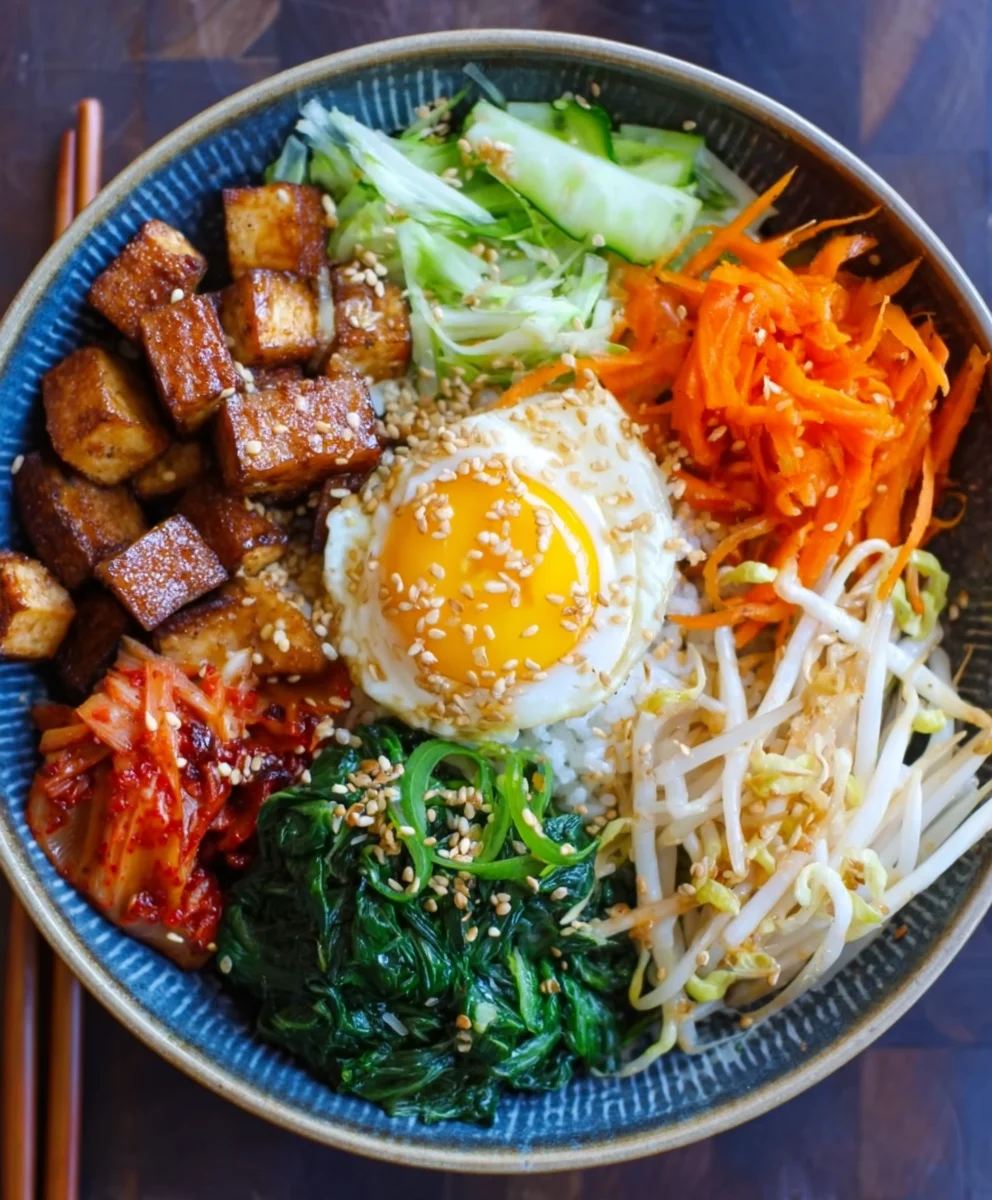
Vegan Bibimbap is more than just a meal; it’s an experience, a vibrant tapestry of textures and flavors that comes together in a single, glorious bowl. This Korean classic, traditionally featuring rice, seasoned vegetables, gochujang, and often meat, gets a stunning plant-based makeover that is every bit as satisfying and delicious. What’s not to love about a dish where you get to artfully arrange a colorful medley of perfectly cooked vegetables, protein-rich tofu or tempeh, and fluffy rice, all crowned with a spicy, savory sauce? It’s the ultimate customizable feast, allowing you to tailor every component to your liking. We adore vegan bibimbap because it’s a testament to how incredibly diverse and exciting plant-based eating can be, proving that healthy can also be outrageously flavorful and visually stunning. Get ready to transform your kitchen into a Korean culinary haven!
The Art of Building Your Perfect Bowl
Why everyone is falling in love with Vegan Bibimbap
This dish has captured hearts and taste buds worldwide for so many reasons. It’s a visual masterpiece, a riot of color that promises an explosion of taste with every bite. The beauty of vegan bibimbap lies in its versatility. You can switch up the vegetables based on what’s in season or what you have on hand, making it an incredibly economical and sustainable choice. The combination of warm rice, crisp-tender vegetables, and the kick of the spicy gochujang sauce creates a harmonious balance that’s utterly addictive. It’s a complete meal, offering a satisfying mix of carbohydrates, protein, and essential nutrients, all while being incredibly fun to assemble. Forget bland vegan meals; this is a celebration of fresh ingredients and bold Korean flavors.
Ingredients:
- 1 large cucumber
- 200 grams fresh spinach
- 100 grams fresh bean sprouts
- 1 large carrot
- 200 grams firm tofu
- 100 grams mushrooms (enoki mushrooms recommended for their delicate texture)
- Salt, to taste
- Sesame oil, for drizzling and cooking
- Minced garlic, to taste
- 2 tablespoons gochujang (Korean chili paste)
- 1 tablespoon rice vinegar
- 1 tablespoon agave nectar or maple syrup (for a touch of sweetness)
- 1 tablespoon soy sauce
- 2 cloves garlic, minced
- 2 teaspoons sesame oil (for tofu marinade)
Preparing the Vegetable Toppings
Julienning the Cucumber and Carrot:
This is where we start building the vibrant foundation of our Vegan Bibimbap. First, wash your cucumber and carrot thoroughly. For the cucumber, slice off both ends. Then, slice it in half lengthwise. If the seeds are very large and prominent, you can scoop them out with a spoon; this will prevent the topping from becoming too watery. Now, slice the cucumber halves thinly, about 1/8 inch thick, and then cut those slices into thin matchsticks, known as julienning. Aim for uniformity in size so they cook evenly and present beautifully. Repeat this process with the carrot. Peel the carrot, trim the ends, and then julienne it into similarly thin matchsticks. You can use a sharp knife or a mandoline slicer if you have one for consistent results. Set both the julienned cucumber and carrot aside in separate bowls.
Blanching the Spinach and Bean Sprouts:
Next, we tackle the greens. Bring a medium pot of water to a rolling boil. Add a generous pinch of salt to the boiling water – this helps to season the vegetables as they cook. Carefully add the spinach to the boiling water. It will wilt almost immediately. Let it cook for only about 30-60 seconds, just until it’s bright green and tender but not mushy. Immediately remove the spinach from the boiling water using a slotted spoon or strainer and plunge it into a bowl of ice water. This shocking process stops the cooking and preserves its vibrant color and texture. Squeeze out as much excess water as possible from the spinach once it has cooled. In the same pot of boiling, salted water, add the bean sprouts. They require slightly longer than spinach, about 1 to 2 minutes, until they are tender-crisp. Drain them well and set them aside. You can also gently squeeze some of the excess water from the bean sprouts if needed.
Sautéing the Mushrooms:
For the mushrooms, if you’re using enoki mushrooms, gently pull them apart into smaller clumps. If using other mushrooms like shiitake or cremini, slice them thinly. Heat a tablespoon of sesame oil in a skillet or wok over medium-high heat. Add the prepared mushrooms and sauté them until they are tender and lightly browned, which usually takes about 3-5 minutes depending on the type of mushroom. Season them with a pinch of salt and a small amount of minced garlic towards the end of cooking. The garlic should be fragrant but not burnt. Remove the sautéed mushrooms from the pan and set them aside.
Preparing the Tofu
Marinating and Pan-Frying the Tofu:
This step adds a savory, satisfying element to your Vegan Bibimbap. Begin extract by pressing the firm tofu to remove as much excess water as possible. You can do this by wrapping it in paper towels and placing a heavy object on top for at least 15-30 minutes, or by using a tofu press. Once pressed, cut the tofu into bite-sized cubes or strips. In a small bowl, whisk together the soy sauce, minced garlic (from the 2 cloves), and 2 teaspoons of sesame oil. Place the tofu pieces in this marinade and gently toss to coat. Let it marinate for at least 10 minutes, or longer for more flavor. Heat another tablespoon of sesame oil in a non-stick skillet over medium-high heat. Add the marinated tofu in a single layer, ensuring not to overcrowd the pan. Pan-fry the tofu for about 3-5 minutes per side, until it is golden brown and slightly crispy. Remove from the pan and set aside.
Assembling the Bibimbap
Making the Bibimbap Sauce:
This spicy, sweet, and savory sauce is the heart of the Bibimbap experience. In a small bowl, combine the gochujang, rice vinegar, agave nectar or maple syrup, and the remaining 1 tablespoon of soy sauce. If you prefer a thinner sauce, you can add a teaspoon or two of water or vegetable broth. Whisk everything together until it’s smooth and well combined. Taste and adjust the sweetness or spiciness as needed. You can add a tiny bit more agave if you like it sweeter, or a pinch more gochujang if you crave more heat.
gin extract>Bringing It All Together:
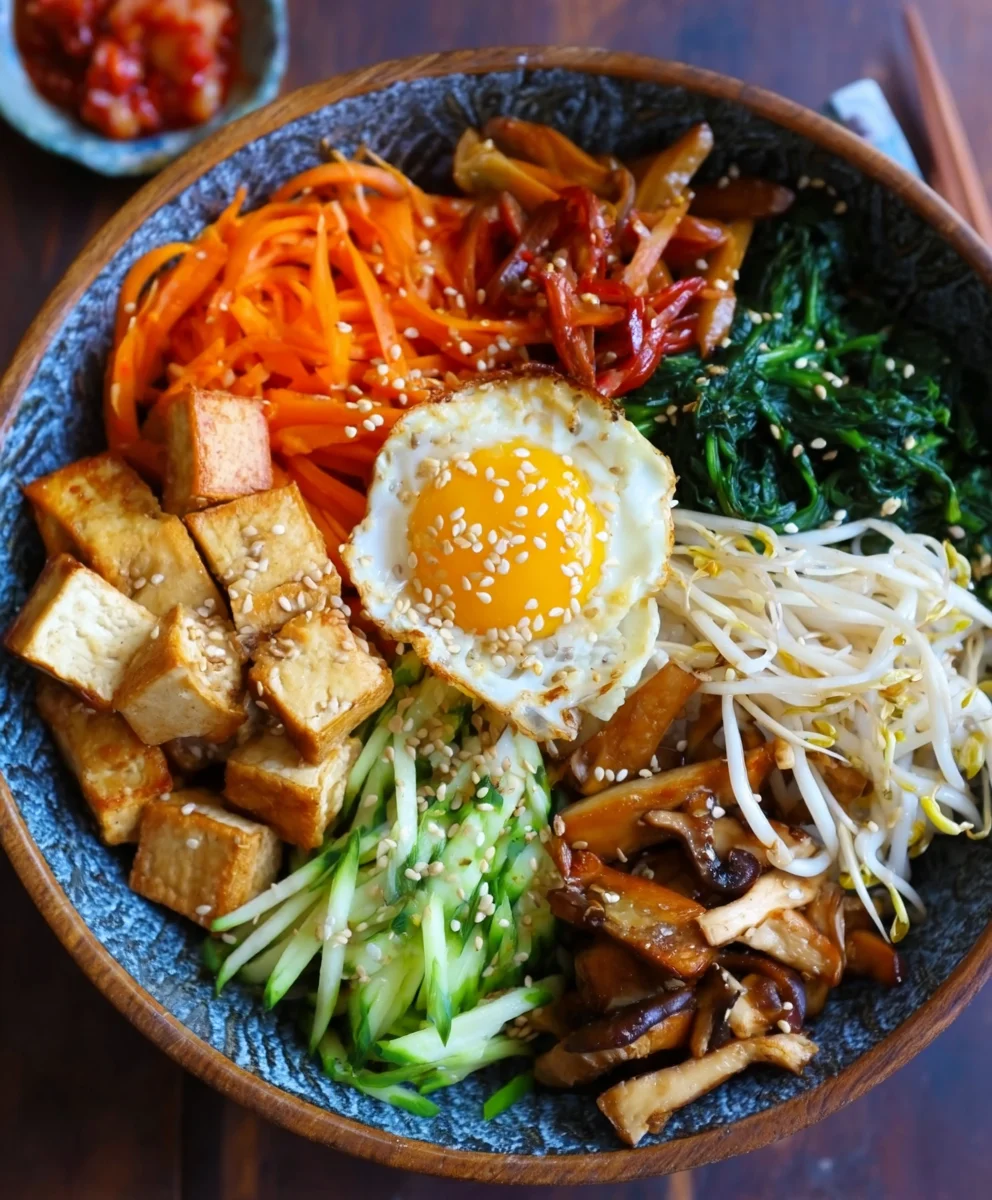
Now for the most exciting part – assembly! Traditionally, Bibimbap is served in a hot stone bowl (dolsot bibimbap), but a regular bowl works beautifully too. Start by placing a generous portion of cooked rice at the bottom of your bowl. Arrange the prepared toppings artfully over the rice, creating colorful sections. You can place the blanched spinach, bean sprouts, julienned cucumber, julienned carrot, sautéed mushrooms, and pan-fried tofu in distinct piles around the bowl. Drizzle a little bit of sesame oil over the toppings. Finally, dollop a generous spoonful of the prepared Bibimbap sauce in the center of the bowl. To serve, instruct your diners to mix all the ingredients together with their rice and sauce before eating, allowing the flavors and textures to meld. The heat from the rice will gently warm the toppings. Enjoy your delicious and healthy Vegan Bibimbap!
Conclusion:
And there you have it – a delicious and satisfying bowl of Vegan Bibimbap! This recipe brings together a vibrant medley of textures and flavors, offering a wholesome and adaptable meal that’s perfect for any day of the week. Whether you’re a seasoned vegan cook or just exploring plant-based options, this Vegan Bibimbap is sure to impress. Don’t be afraid to get creative with your toppings and enjoy the process of building your perfect bowl. We encourage you to try this recipe and share your own delightful variations with us!
For serving suggestions, this Vegan Bibimbap is fantastic on its own as a complete meal. You can also serve it with a side of light miso soup or some pickled radishes for an extra layer of flavor. Feel free to experiment with different vegetables based on seasonality or what you have on hand. Think crispy baked tofu, sautéed mushrooms, or even some quick-pickled cucumbers for a refreshing crunch.
Frequently Asked Questions:
Can I make Vegan Bibimbap ahead of time?
Absolutely! You can prepare most components of the Vegan Bibimbap in advance. Cook the rice, blanch or sauté your vegetables, and make your sauce ahead of time. Store each component separately in airtight containers in the refrigerator. When ready to eat, simply reheat the components (except for fresh garnishes) and assemble your bowls. This makes it a great option for meal prepping.
What kind of rice is best for Vegan Bibimbap?
While short-grain white rice is traditional and works wonderfully, you can also use brown rice or even a mix of grains for added texture and nutrition. The key is to cook the rice until it’s tender and slightly sticky, which helps everything bind together in the bowl. Ensure your rice is cooked well before assembling your Vegan Bibimbap.
What are some other sauce options for Vegan Bibimbap?
The classic gochujang-based sauce is delicious, but you can also get creative! For a milder option, try a tahini-based sauce with a touch of maple syrup and soy sauce. A spicy peanut sauce or even a simple sesame-gin extractger dressing can also be fantastic additions to your Vegan Bibimbap, offering a different flavor profile with each bite.
Easy Vegan Bibimbap Recipe – Healthy & Delicious Bowl
A vibrant and flavorful vegan bibimbap bowl packed with fresh vegetables, pan-fried tofu, and a delicious spicy-sweet sauce.
Ingredients
-
1 large cucumber
-
200 grams fresh spinach
-
100 grams fresh bean sprouts
-
1 large carrot
-
200 grams firm tofu
-
100 grams mushrooms (enoki mushrooms recommended)
-
Salt, to taste
-
Sesame oil, for drizzling and cooking
-
Minced garlic, to taste
-
2 tablespoons gochujang (Korean chili paste)
-
1 tablespoon rice vinegar
-
1 tablespoon agave nectar or maple syrup
-
1 tablespoon soy sauce
-
2 cloves garlic, minced
-
2 teaspoons sesame oil (for tofu marinade)
Instructions
-
Step 1
Prepare the vegetable toppings: Julienne the cucumber and carrot into thin matchsticks. Blanch the spinach (30-60 seconds) and bean sprouts (1-2 minutes) in boiling salted water, then shock in ice water and drain. Sauté sliced mushrooms with sesame oil and minced garlic until tender. -
Step 2
Prepare the tofu: Press firm tofu to remove excess water, then cut into bite-sized pieces. Marinate tofu in a mixture of soy sauce, minced garlic, and sesame oil for at least 10 minutes. Pan-fry until golden brown and slightly crispy. -
Step 3
Make the bibimbap sauce: Whisk together gochujang, rice vinegar, agave nectar or maple syrup, and soy sauce. Adjust sweetness or spiciness as needed. -
Step 4
Assemble the bibimbap: Place cooked rice in a bowl. Artfully arrange the prepared spinach, bean sprouts, cucumber, carrot, mushrooms, and tofu over the rice in distinct sections. -
Step 5
Drizzle a little sesame oil over the toppings and dollop a generous spoonful of the bibimbap sauce in the center. Mix all ingredients together before eating.
Important Information
Nutrition Facts (Per Serving)
It is important to consider this information as approximate and not to use it as definitive health advice.
Allergy Information
Please check ingredients for potential allergens and consult a health professional if in doubt.