Copy Cat KFC Fried Chicken Recipe-Finger Licking Good
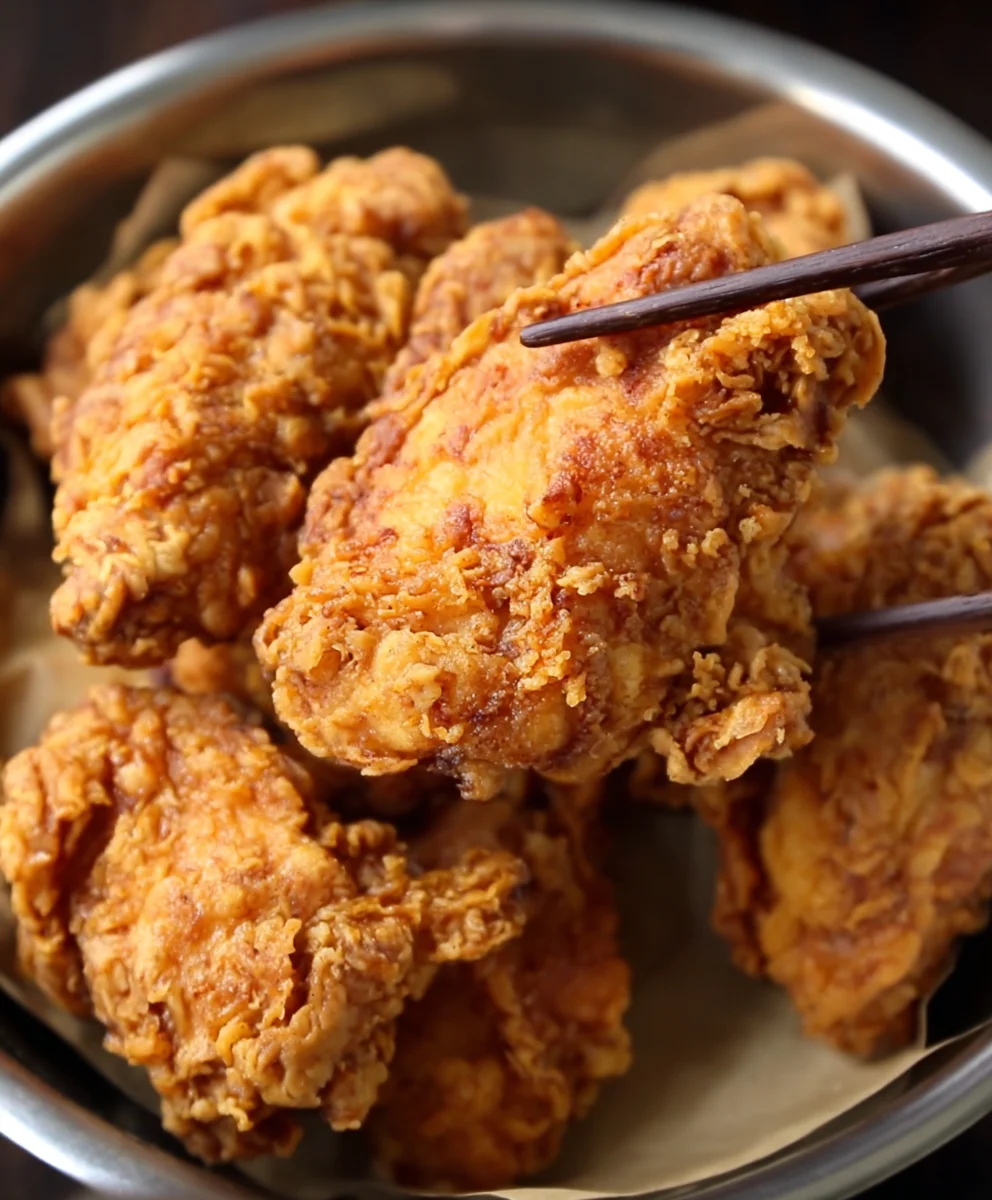
Copy Cat KFC Fried Chicken is more than just a meal; it’s a culinary quest for that legendary, craveable crunch and explosion of savory flavor. We’ve all been there, dreaming of those perfectly seasoned pieces, the crispy coating that shatters with every bite, and that undeniably delicious aroma. But what is it about this iconic fried chicken that captures our hearts and taste buds, time and time again? It’s the masterful blend of herbs and spices, the secret 11 (or is it 12?) that create a symphony of taste, and the technique that yields that signature golden-brown perfection. This recipe isn’t just about replicating the taste; it’s about understanding the magic that goes into each piece. Get ready to unlock the secrets and bring the irresistible taste of Copy Cat KFC Fried Chicken right into your own kitchen, creating a masterpiece that will have everyone asking for seconds.
Ingredients:
- 340 g chicken pieces (thighs, drum extractsticks, or wings are ideal for this recipe)
- 1/2 teaspoon salt (for the initial chicken seasoning)
- 1/2 teaspoon black pepper (for the initial chicken seasoning)
- 1 teaspoon onion powder (for the initial chicken seasoning)
- 1 teaspoon garlic powder (for the initial chicken seasoning)
- 1/2 teaspoon chili powder (for the initial chicken seasoning)
- 1 tablespoon cornstarch (for the initial chicken seasoning and coating)
- 1 large egg
- 100 g all-purpose flour (for the dredge)
- 50 g cornstarch (for the dredge, creating that signature crispiness)
- 5 g baking powder (this is a crucial ingredient for the light and airy texture)
- 1/2 teaspoon salt (for the dredge)
- 1/2 teaspoon onion powder (for the dredge)
- 1 teaspoon garlic powder (for the dredge)
- Vegetable oil for frying (enough to generously submerge the chicken pieces)
Preparing the Chicken
Seasoning the Chicken
Begin extract by preparing your chicken. Ensure the pieces are clean and patted dry with paper towels. This step is essential for allowing the seasonings and coating to adhere properly. In a medium bowl, combine the 340 grams of chicken pieces with 1/2 teaspoon of salt, 1/2 teaspoon of black pepper, 1 teaspoon of onion powder, 1 teaspoon of garlic powder, 1/2 teaspoon of chili powder, and 1 tablespoon of cornstarch. This initial seasoning blend not only infuses flavor directly into the meat but also helps in creating a slightly thicker initial coating once it interacts with the moisture from the chicken. Toss everything together thoroughly, making sure each piece is evenly coated. Let this marinate for at least 15-30 minutes at room temperature. If you have more time, you can cover it and refrigerate it for up to 4 hours for deeper flavor penetration.
Setting up the Dredge
While the chicken is marinating, prepare your dry dredge. In a separate large bowl or a shallow dish, whisk together the 100 grams of all-purpose flour, 50 grams of cornstarch, 5 grams of baking powder, 1/2 teaspoon of salt, 1/2 teaspoon of onion powder, and 1 teaspoon of garlic powder. The baking powder is a secret weapon here; it reacts with the moisture during frying to create tiny air pockets, resulting in a remarkably light and crispy crust that’s not heavy or greasy. Whisk these dry ingredients very well to ensure the baking powder and seasonings are evenly distributed throughout the flour mixture. This is key to achieving a consistent texture and flavor on every piece of chicken.
Creating the Wet Batter
Next, in another medium bowl, whisk the large egg with about 2 tablespoons of water. This creates your wet binder. The egg acts as the glue that helps the dry dredge adhere to the seasoned chicken. Ensure the egg is well beaten so it emulsifies nicely with the water.
Coating the Chicken
The Double Dredge Method
Now it’s time to coat the chicken. Take one piece of marinated chicken and dip it into the prepared egg wash, ensuring it’s fully coated. Let any excess egg drip off for a second or two. Then, transfer the egg-washed chicken piece directly into the dry flour and cornstarch mixture. Press the chicken into the flour mixture, ensuring all sides are generously coated. For that extra crispy, craggy texture reminiscent of the iconic fast-food fried chicken, we’ll perform a double dredge. After the first coating, dip the floured chicken piece back into the egg wash, and then immediately return it to the dry dredge for a second coating. Again, press firmly to ensure a thick, even layer of the flour mixture adheres. Gently shake off any excess. Repeat this entire process with all your seasoned chicken pieces, placing the coated pieces on a wire rack set over a baking sheet to allow excess flour to fall off and prevent them from sticking. This resting period also helps the coating adhere better before frying.
Frying the Chicken
Heating the Oil and First Fry
In a large, heavy-bottomed pot or Dutch oven, heat your vegetable oil over medium-high heat to about 325°F (160°C). It’s important to maintain a consistent oil temperature; using a kitchen thermometer is highly recommended for accuracy. Carefully add a few pieces of the coated chicken to the hot oil, being careful not to overcrowd the pot. Overcrowding will lower the oil temperature, leading to greasy chicken instead of crispy chicken. Fry the chicken for about 6-8 minutes on the first side, until it’s a light golden brown. The chicken will not be fully cooked at this stage, but this first fry helps to set the crust.
The Second Fry for Ultimate Crispiness
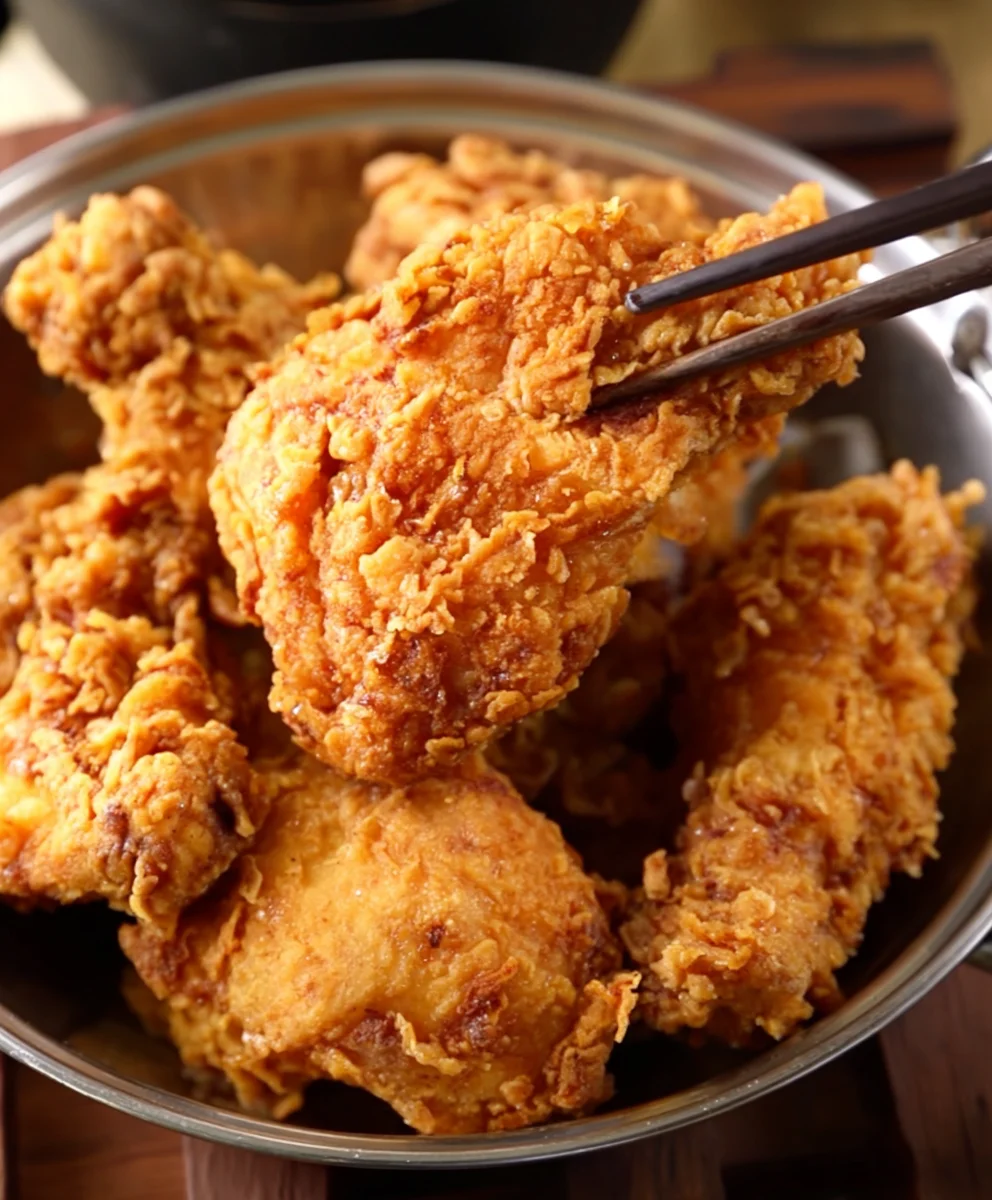
Using tongs, carefully turn the chicken pieces over and continue to fry for another 6-8 minutes on the second side. Once both sides have reached a light golden brown, carefully remove the chicken from the oil and place it back on the wire rack set over a baking sheet. Allow the chicken to rest for at least 5 minutes. After this rest, increase the oil temperature to about 375°F (190°C). Now, carefully return the partially fried chicken pieces to the hotter oil for their second fry. This second fry is crucial for achieving that signature crispy, crunchy exterior. Fry for another 3-5 minutes per side, or until the chicken is deeply golden brown and cooked through. The internal temperature of the chicken should reach 165°F (74°C). Remove the chicken from the oil and place it back on the wire rack to drain any excess oil. Let it rest for a few minutes before serving to allow the juices to redistribute.
Conclusion:
I hope you’ve enjoyed diving into this recipe for Copy Cat KFC Fried Chicken! We’ve walked through each step, from the buttermilk soak to the perfectly seasoned flour dredge and the crucial frying technique, all designed to bring that iconic crispy, juicy flavor right into your own kitchen. This recipe truly delivers on replicating that beloved taste and texture that has made KFC a global phenomenon. Don’t be intimidated by the frying process; with a little care and attention, you’ll achieve incredible results.
Serving this Copy Cat KFC Fried Chicken with classic sides like mashed potatoes and gravy, coleslaw, or even just a simple biscuit makes for an absolutely satisfying meal. Feel free to experiment with the spice blend; if you like a little extra heat, a pinch of cayenne pepper in the flour mix can add a delightful kick. Remember, practice makes perfect, and even if your first attempt isn’t exactly like the Colonel’s, it will undoubtedly still be delicious. Happy cooking!
Frequently Asked Questions about Copy Cat KFC Fried Chicken:
Can I bake this chicken instead of frying it?
While frying is essential for achieving the signature crispy texture of Copy Cat KFC Fried Chicken, you can bake it for a healthier alternative. However, the results will be different; it won’t be as uniformly crispy. If you do bake, ensure the oven is preheated to a high temperature (around 400°F or 200°C) and place the chicken on a wire rack set over a baking sheet for better air circulation.
What kind of oil is best for frying?
A neutral-flavored oil with a high smoke point is ideal for frying Copy Cat KFC Fried Chicken. Vegetable oil, canola oil, or peanut oil are excellent choices. They will allow the chicken and its seasonings to be the stars of the show without imparting any unwanted flavors.
Copy Cat KFC Fried Chicken Recipe-Finger Licking Good
A copycat recipe for the iconic KFC fried chicken, delivering a crispy, flavorful, and finger-licking good experience.
Ingredients
-
340 g chicken pieces
-
1/2 teaspoon salt (for initial seasoning)
-
1/2 teaspoon black pepper (for initial seasoning)
-
1 teaspoon onion powder (for initial seasoning)
-
1 teaspoon garlic powder (for initial seasoning)
-
1/2 teaspoon chili powder (for initial seasoning)
-
1 tablespoon cornstarch (for initial seasoning and coating)
-
1 large egg
-
100 g all-purpose flour
-
50 g cornstarch
-
5 g baking powder
-
1/2 teaspoon salt (for dredge)
-
1/2 teaspoon onion powder (for dredge)
-
1 teaspoon garlic powder (for dredge)
-
Vegetable oil for frying
Instructions
-
Step 1
Season chicken pieces with salt, pepper, onion powder, garlic powder, chili powder, and 1 tablespoon of cornstarch. Toss to coat evenly and let marinate for at least 15-30 minutes at room temperature. -
Step 2
Prepare the dredge by whisking together all-purpose flour, 50g cornstarch, baking powder, 1/2 teaspoon salt, 1/2 teaspoon onion powder, and 1 teaspoon garlic powder in a large bowl. -
Step 3
Create the wet batter by whisking the egg with 2 tablespoons of water in a separate bowl. -
Step 4
Double dredge each chicken piece: dip in egg wash, then coat generously in the flour mixture, pressing firmly. Repeat the egg wash and flour coating for an extra crispy crust. Place coated chicken on a wire rack. -
Step 5
Heat vegetable oil in a heavy-bottomed pot to 325°F (160°C). Fry chicken for 6-8 minutes per side until light golden brown (first fry). -
Step 6
Remove chicken, let it rest for 5 minutes. Increase oil temperature to 375°F (190°C). Return chicken to the hotter oil and fry for another 3-5 minutes per side until deeply golden brown and cooked through (internal temperature 165°F/74°C). -
Step 7
Remove chicken from oil, place on a wire rack to drain and rest for a few minutes before serving.
Important Information
Nutrition Facts (Per Serving)
It is important to consider this information as approximate and not to use it as definitive health advice.
Allergy Information
Please check ingredients for potential allergens and consult a health professional if in doubt.